BCCI IPL 2026 Practice Guidelines: No Shared Nets and All New Rules Explained
BCCI has officially issued a five-page practice session guideline document to all IPL 2026 franchises and the rules are stricter and more detailed than ever before.
IPL 2026 begins on March 22 and teams have been training hard across the country since early March. With so many venues, teams and scheduling clashes involved, BCCI needed clear rules to avoid disputes and protect pitch quality. Check the IPL 2026 full match and venue schedule to understand which teams are playing where and when.
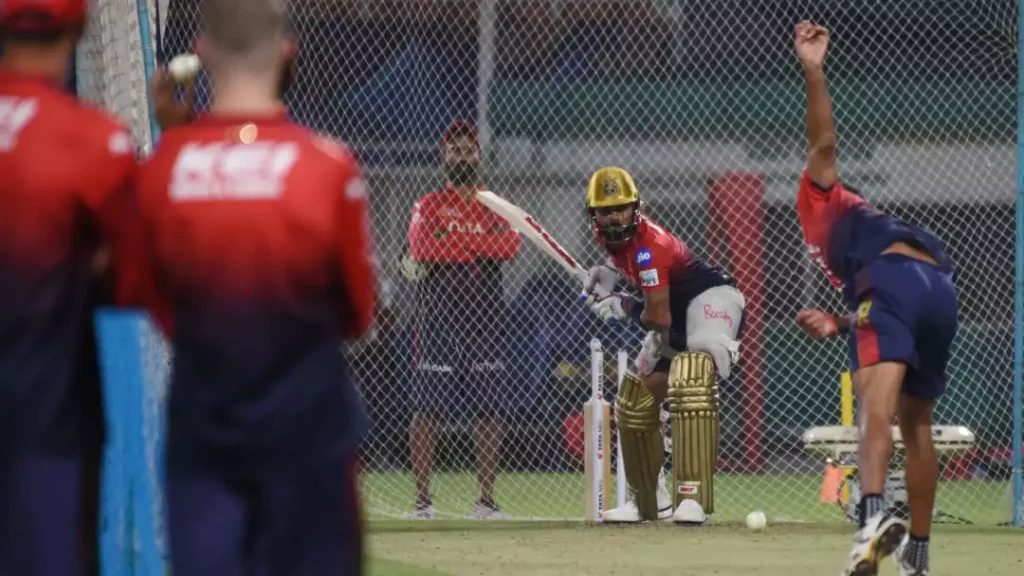
Key BCCI Practice Rules at a Glance
| Rule | Details |
|---|---|
| Shared Nets | Strictly not allowed between two teams |
| Practice Match Duration | Maximum 3.5 hours under lights |
| Practice Matches Allowed | Up to 2 per team with prior BCCI permission |
| Main Square Practice | Banned in final 4 days before first home game |
| Net Allocation (from March 16) | 2 nets at practice area + 1 on main square |
| Home Team Preference | Gets first choice of practice session timing |
| Range Hitting Wicket Sharing | Not permitted if one team finishes early |
No Shared Nets: The Most Important Rule
This is the headline rule. BCCI has made it crystal clear that no IPL team can use the nets that were set up for the rival side during their own practice session.
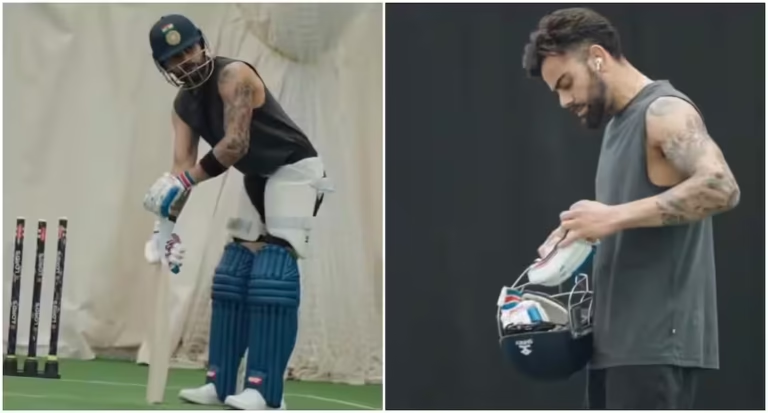
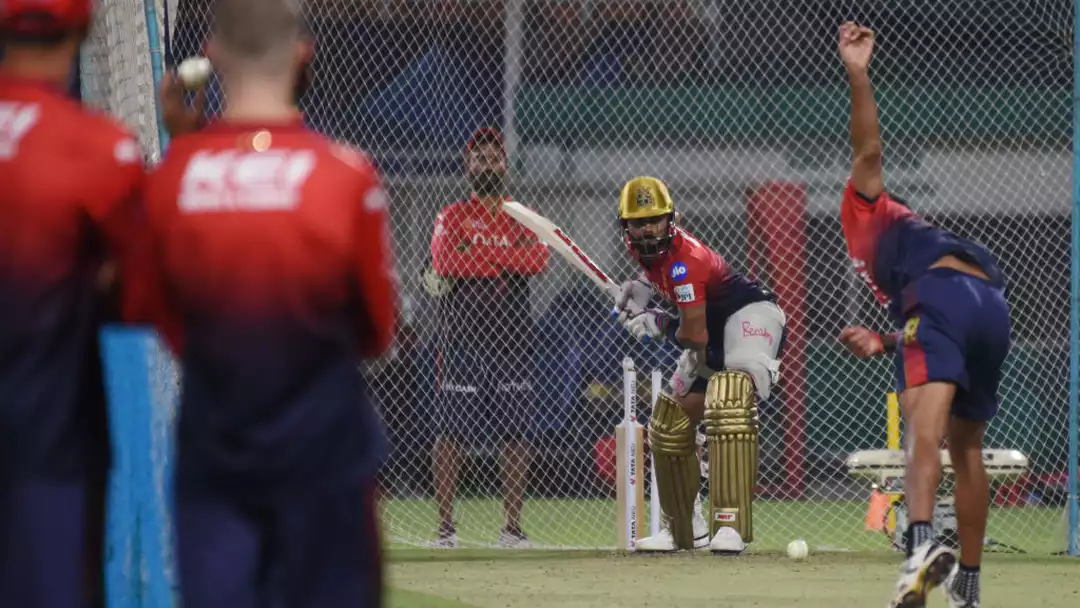
Fresh nets must be prepared for each team separately. Even if one team finishes their session early and leaves their nets completely unused, the other team cannot simply move over and use them. This applies to throw downs as well.
The range hitting wicket follows the same rule. If a team wraps up early, the second team cannot use their range hitting setup. Each team gets its own dedicated space and equipment for the full duration of their allocated time.
Why does this matter? Pitch conditions change after heavy use. A batter who faces 200 balls on a net pitch gets worn it down differently than a fresh surface. BCCI wants every team to prepare on comparable, undisturbed surfaces so no side gains an unfair advantage through practice conditions.
Practice Match Rules: What Teams Can and Cannot Do
Teams are allowed to play practice matches but with strict conditions attached:
- Maximum 2 practice matches per team during the pre-season window
- Prior BCCI permission required before scheduling any practice match
- Duration capped at 3.5 hours for matches played under lights
- Side wickets only on the main square, not the central strip
- Main square is completely off limits for practice matches at all times
The main square protection rule is especially important. In the four days leading up to a franchise’s first home game, no practice sessions or practice matches of any kind can take place on the main square. This ensures the pitch used for the actual IPL match is in perfect condition and has not been damaged by pre-season training traffic.
If the home franchise needs a practice ground during this four-day window, the State Association is required to provide an alternative venue at no cost to the franchise. BCCI has made this obligation clear so teams are not left scrambling for facilities.
Home Team vs Away Team: Who Gets Priority
Scheduling clashes happen at every venue during a long tournament like IPL. BCCI has outlined a clear priority system to handle these situations.
The home team always gets first choice of their preferred practice session time. However, BCCI has also asked that the away team’s request be considered fairly, especially if the away side played a match the previous day or has just completed a long travel leg to reach the venue.
When both teams want to practice at the same time, the process works like this:
- Step 1: BCCI asks both team managers to resolve the clash directly between themselves
- Step 2: If they cannot agree, BCCI steps in and decides the timings
- Step 3: Most likely outcome is two separate 2-hour exclusive slots, for example 6pm to 8pm and 8pm to 10pm, giving both teams similar conditions
This is a sensible system. Evening dew, pitch temperature and outfield pace all change between early evening and late night. BCCI’s solution of splitting the session into two equal windows means neither team is disadvantaged by getting a dramatically different practice environment. Follow all pre-season developments and team news at the latest IPL 2026 news and updates hub.
Range Hitting Rules: What Changes at Ahmedabad and Lucknow
Range hitting has become a massive part of modern T20 preparation. Every team spends significant practice time on big hitting drills and BCCI has given this its own dedicated section in the guidelines.
Key points on range hitting:
- One wicket prepared for each team at the extreme edge on both sides of the main square
- Teams can use the range hitting wicket for hitting, bowling run-throughs, run-ups and throw downs
- Nets must remain open towards the non-pavilion side to prevent injury from wayward shots
- Home team picks their preferred range hitting wicket for the first 90 minutes of practice
At Ahmedabad and Lucknow specifically, the range hitting wickets are made from either red or black soil. The home team selects which wicket they prefer first. This small detail actually matters because soil type affects how the ball comes onto the bat and how fast the surface plays under foot.
Home Team Responsibilities During the Season
The home franchise carries significant responsibility under these guidelines beyond just their own team’s preparation.
| Responsibility | Who Handles It |
|---|---|
| Catering for both teams | Home franchise |
| Cricket facilities coordination | Home franchise + State Association |
| Medical services | Home franchise |
| Security arrangements | Home franchise |
| Away team beverages | Away team provides their own |
| Playoffs practice arrangements | BCCI handles directly |
One notable detail: away teams must bring their own beverages. The home franchise covers catering but drinks are the away team’s own responsibility during the regular season. BCCI takes over all arrangements once the playoffs begin. Check out all IPL 2026 competing teams and their squads to see how each franchise is building their pre-season setup.
These guidelines show how seriously BCCI is taking fairness and pitch protection heading into what promises to be the most watched IPL season ever. Every team now operates on the same clearly defined rules and any dispute goes straight to BCCI for a final call. Watch every match this season using the IPL 2026 live streaming and broadcast guide.
FAQs
What are the new BCCI practice rules for IPL 2026? BCCI has banned shared nets between teams, capped practice matches at 3.5 hours, restricted main square use in the four days before a home game, and given home teams first choice of practice session timing.
Can IPL teams share practice nets in 2026? No. BCCI has strictly prohibited any sharing of nets between two teams. Fresh nets must be prepared separately for each side regardless of whether one team has already used them.
How many practice matches can an IPL team play before IPL 2026? Each team is allowed a maximum of two practice matches with prior permission from BCCI. These matches must be played on side wickets and cannot exceed three and a half hours under lights.
Why has BCCI banned practice on the main square before IPL 2026 matches? To protect pitch quality. No practice sessions or matches can be held on the main square in the four days leading up to a franchise’s first home game of the season.
Who is responsible for practice facilities for both teams at an IPL venue? The home franchise is responsible for coordinating all logistical arrangements including catering, cricket facilities, medical services and security for both the home and away teams during the regular season.
What happens if two IPL teams want to practice at the same time? The team managers are first asked to resolve the clash themselves. If they cannot agree, BCCI steps in and typically creates two separate two-hour exclusive practice slots so both teams get fair and equal conditions.